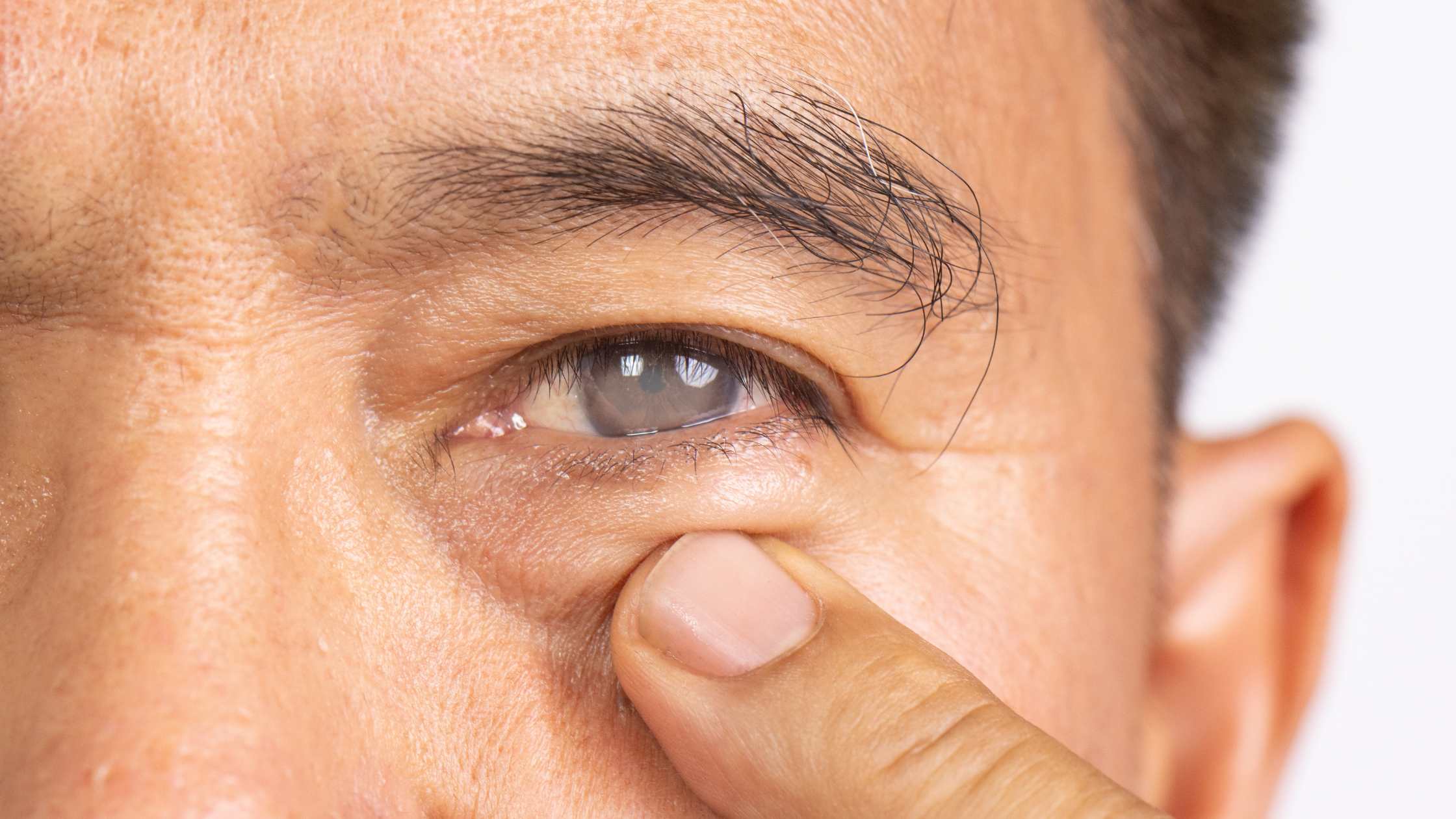
Could You Be at Risk for Glaucoma Without Knowing It?
Glaucoma is often called the “silent thief of sight” because it can develop slowly without noticeable symptoms. By the time vision changes appear, permanent damage may already have occurred. That’s why understanding your risk factors—and seeking early treatment—is critical for protecting your eyesight.
Glaucoma is one of the leading causes of irreversible blindness worldwide, but early detection and modern treatments can help slow or prevent vision loss.
What Is Glaucoma?
Glaucoma is a group of eye diseases that damage the optic nerve, often caused by increased pressure inside the eye. Over time, this pressure can affect peripheral vision and eventually lead to blindness if left untreated.
Routine eye exams are essential because glaucoma usually develops without pain or early warning signs.
Common Glaucoma Risk Factors
While anyone can develop glaucoma, certain factors increase your risk significantly.
- Age
Adults over age 60 are at higher risk for developing glaucoma.
- Family History
If glaucoma runs in your family, your chances of developing it increase.
- High Eye Pressure
Elevated intraocular pressure is one of the most common risk factors.
- Diabetes & High Blood Pressure
Certain medical conditions can affect blood flow to the optic nerve.
- Ethnicity
African American, Hispanic, and Asian populations may face a higher risk for specific types of glaucoma.
- Long-Term Steroid Use
Using steroid medications for extended periods may increase eye pressure.
Warning Signs You Shouldn’t Ignore
Glaucoma symptoms can vary depending on the type and severity of the disease.
Possible signs include:
- Blurred vision
- Loss of peripheral vision
- Eye pain or pressure
- Halos around lights
- Headaches
- Sudden vision changes
If you notice any of these symptoms, schedule an eye evaluation as soon as possible.
Modern Glaucoma Treatments Can Help Protect Vision
Although glaucoma damage cannot be reversed, treatment can slow progression and preserve remaining vision.
Treatment options may include:
- Prescription eye drops to lower eye pressure
- iDose® TR, an innovative sustained-release implant designed to continuously deliver glaucoma medication over an extended period
- Laser glaucoma procedures
- Minimally invasive glaucoma surgery (MIGS)
- Advanced surgical treatments for severe cases
Your eye specialist will recommend a personalized treatment plan based on your condition and overall eye health.
The Best Defense Is Early Detection
The most effective way to fight glaucoma is through routine comprehensive eye exams. Early diagnosis allows treatment to begin before significant vision loss occurs.
If you are over 40, have a family history of glaucoma, or experience changes in your vision, now is the time to prioritize your eye health.
Protect Your Vision Today
Glaucoma may be silent, but proactive care can make a life-changing difference. Early treatment helps preserve vision and maintain your quality of life.
Schedule Your Eye Consultation Today
Call Now to learn more about glaucoma screenings and treatment options.
Your eyesight matters—don’t wait for symptoms to take action.