Laser Assisted Cataract Surgery

Take Our Cataract Self-TestBook Appointment Now

Types of Cataract Surgery: Traditional vs. Laser

Traditional cataract surgery has been performed successfully for decades. It involves creating incisions in the eye using a manual blade, followed by removal of the cloudy natural lens with an ultrasound device. This approach is typically covered by medical insurance.

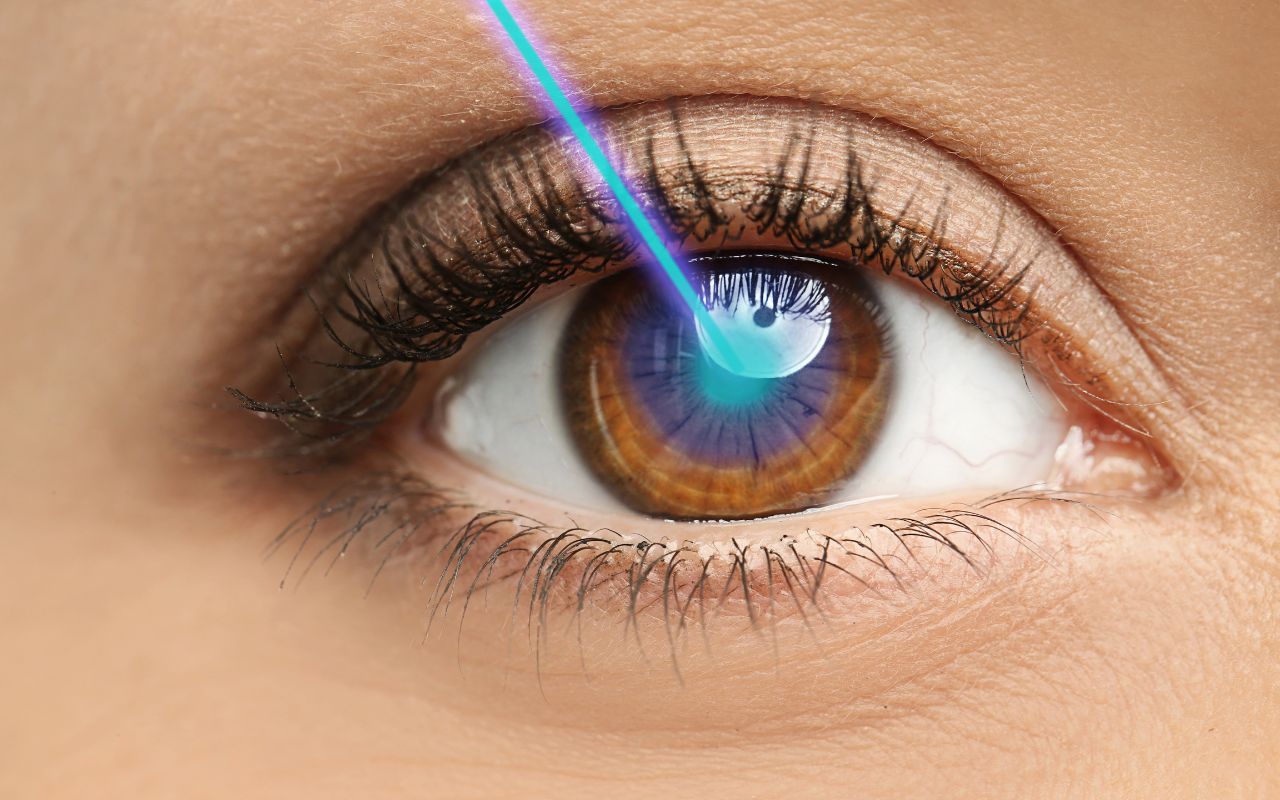
Laser-assisted cataract surgery uses advanced femtosecond laser technology to perform key steps of the procedure with enhanced precision. Instead of manual incisions, the laser creates highly accurate, computer-guided incisions and pre-softens the cataract, reducing the amount of ultrasound energy needed. This often allows for a more efficient procedure and a smoother visual recovery.

zoom in photo of an eye

Laser Surgery for Complex Eye Conditions

While laser-assisted cataract surgery can benefit a wide range of patients, it may be particularly advantageous in more complex cases, including:

  • Dense cataracts
  • Traumatic cataracts
  • Fuchs’ dystrophy (a condition affecting the cornea)
  • Pseudoexfoliation syndrome (which can weaken the structures supporting the lens)

The added precision and reduced energy delivery can help support improved safety and outcomes in these situations.

Safer, More Precise Cataract Surgery

Laser-assisted cataract surgery is designed to enhance precision at every step of the procedure. Advanced imaging and laser technology allow for more consistent incisions, improved lens fragmentation, and more accurate visual outcomes.

Because laser-assisted cataract surgery is considered an advanced, elective upgrade, it is typically not covered by insurance and is offered as part of a premium vision correction package.

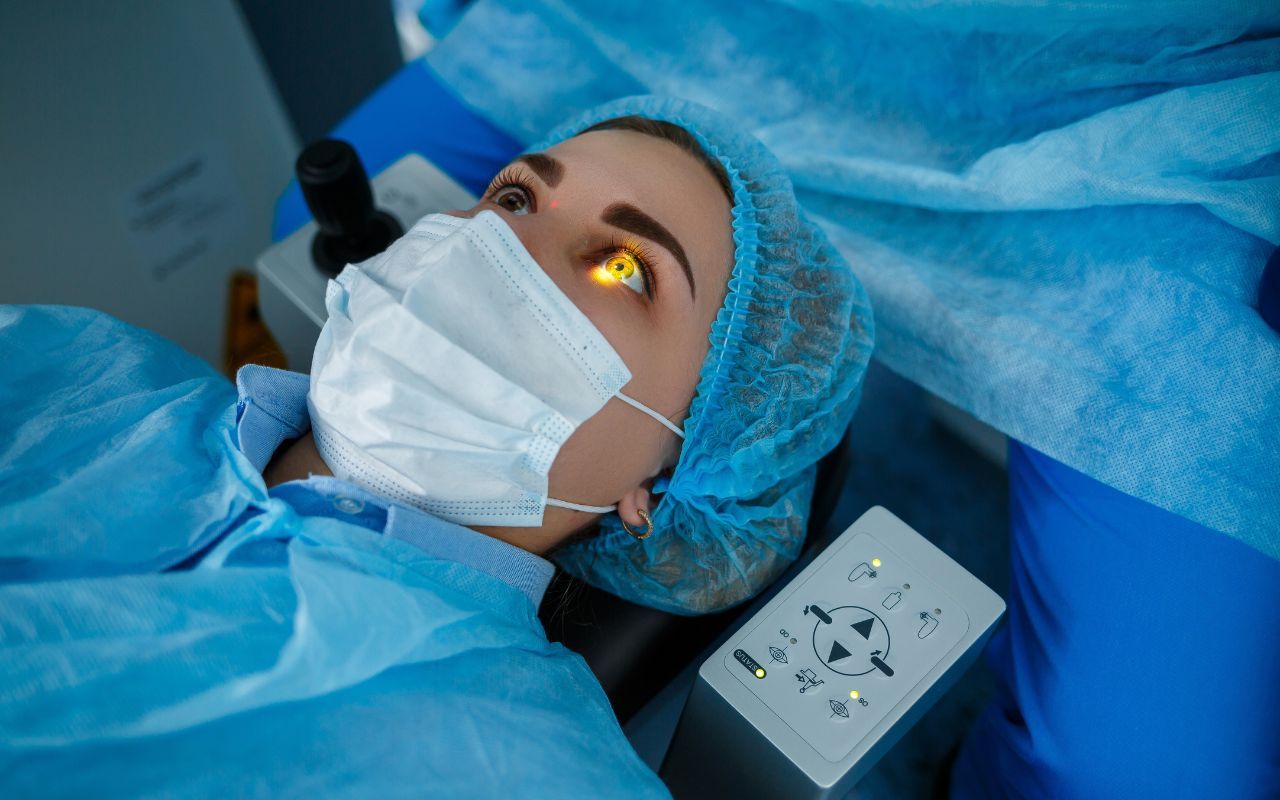
woman getting laser surgery at dlv

Advanced Laser Technology

Modern femtosecond laser platforms, such as the Ziemer Femto LDV Z8 and the ALLY™ Adaptive Cataract Treatment System by LENSAR, bring a high level of accuracy and reproducibility to cataract surgery.

These systems use rapid, low-energy laser pulses to create precise corneal incisions and soften the natural lens in customizable patterns. Integrated imaging and, in newer platforms, robotic-guided treatment with iris registration allow for a highly personalized surgical plan tailored to each eye’s unique anatomy.

This combination of precision imaging, laser accuracy, and advanced guidance technology enhances surgical consistency, improves efficiency, and supports more predictable visual outcomes.