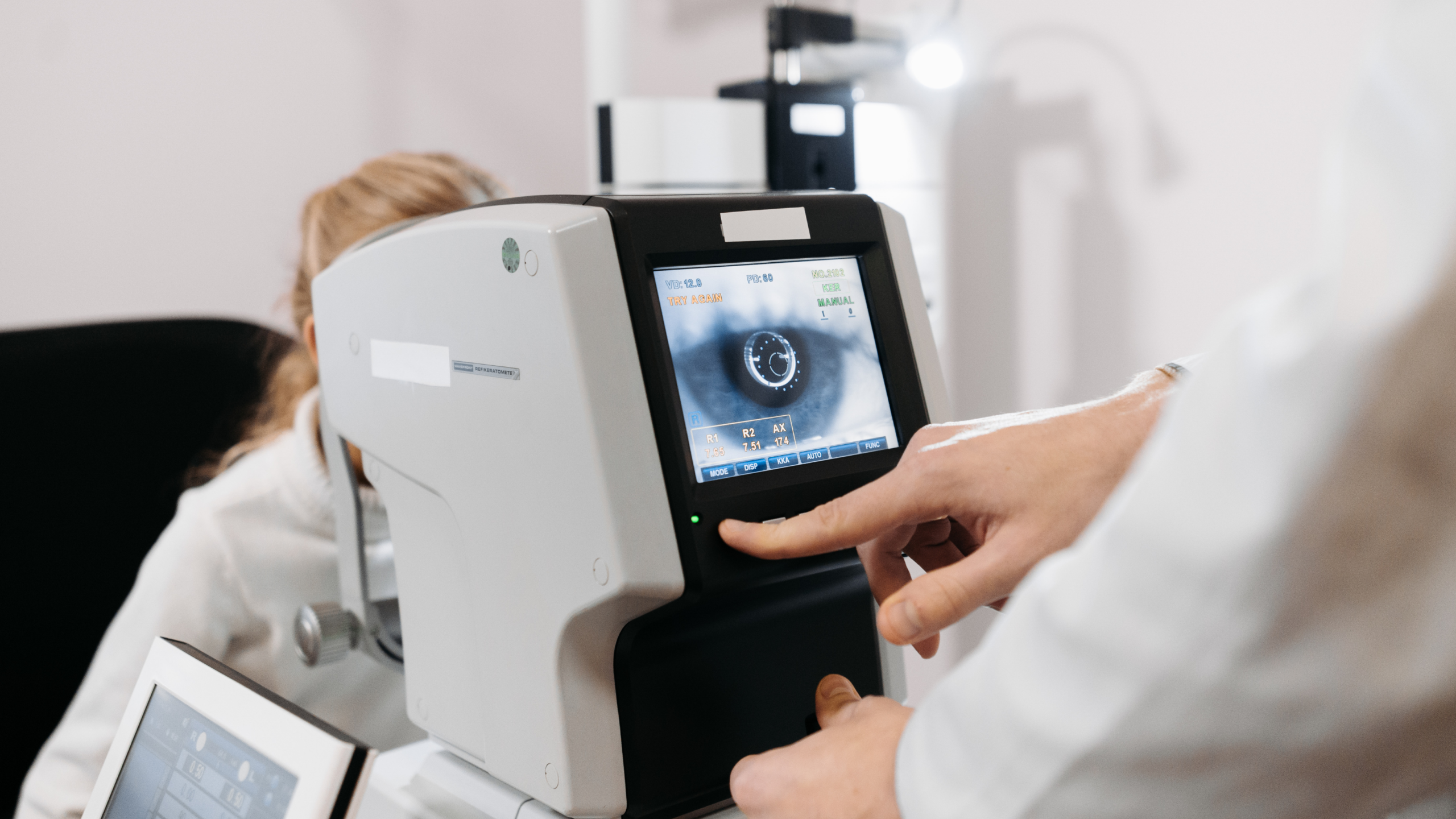
Many serious eye diseases develop without noticeable symptoms in their early stages. A comprehensive eye exam can detect conditions such as glaucoma, cataracts, diabetic eye disease, and macular degeneration before they affect your vision. National Medical Eye Exam Month serves as an important reminder that medical eye care helps protect both your eyesight and your overall health.
Quick Takeaways
- Comprehensive eye exams can detect eye diseases before symptoms appear.
- Conditions like glaucoma and diabetic retinopathy often progress silently.
- Early detection gives patients more treatment options and helps preserve vision.
- Eye exams can reveal signs of other health conditions, including diabetes and high blood pressure.
- Adults should schedule medical eye exams based on their age, health history, and risk factors.
What Is National Medical Eye Exam Month, and Why Does It Matter?
National Medical Eye Exam Month encourages people to prioritize their eye health through regular comprehensive eye exams. Vision changes often happen gradually, making them easy to overlook until daily activities become more difficult.
Unlike a simple vision screening, a comprehensive eye exam evaluates the health of the entire eye. Eye doctors assess your retina, optic nerve, eye pressure, and other structures to identify problems that may not yet cause symptoms.
At DLV Vision, patients throughout Ventura County and Los Angeles County frequently ask whether they need an eye exam if they still see clearly. The answer is yes. Many eye diseases progress silently, which makes preventive care essential.
According to the National Eye Institute, millions of Americans live with eye conditions that could lead to vision loss if left untreated.
Which Eye Diseases Can a Comprehensive Eye Exam Detect?
A comprehensive eye exam can identify several conditions before noticeable symptoms develop.
Glaucoma
Glaucoma damages the optic nerve, often because of increased pressure inside the eye. Most patients do not notice symptoms until permanent vision loss has already occurred.
Cataracts
Cataracts cause the natural lens of the eye to become cloudy, leading to blurry vision, glare, and difficulty seeing at night.
Diabetic Eye Disease
Diabetes can damage blood vessels in the retina long before vision changes become noticeable. Medical eye exams help detect diabetic retinopathy early.
Macular Degeneration
Age-related macular degeneration affects central vision and becomes more common after age 50. Early diagnosis helps patients manage the condition and preserve their sight.
The American Academy of Ophthalmology recommends regular comprehensive eye exams to identify these conditions as early as possible.
Who Has a Higher Risk of Eye Disease?
Anyone can develop an eye condition, but some factors increase the risk.
Common risk factors include:
- Age over 40
- Diabetes
- High blood pressure
- Smoking
- A family history of glaucoma or macular degeneration
- Extended exposure to ultraviolet light
- Previous eye injuries
- Certain medications
Patients with these risk factors often need more frequent eye exams.
Residents of Ventura, Westlake Village, Camarillo, Simi Valley, Thousand Oaks, Oxnard, and surrounding communities should discuss their individual risk factors with an eye care professional.
What Symptoms Mean You Should See an Eye Doctor?
Some eye conditions develop silently, but certain symptoms require prompt attention.
Schedule an eye exam if you notice:
- Blurry vision
- New floaters or flashes of light
- Difficulty seeing at night
- Eye pain or redness
- Double vision
- Increased sensitivity to light
- Sudden vision loss
Sudden vision changes can signal a serious problem that requires immediate evaluation.
If you are experiencing these symptoms in Ventura County or Los Angeles County, DLV Vision offers comprehensive eye care services. Schedule an appointment below or call (805) 987-5300.
What Happens During a Comprehensive Eye Exam?
A comprehensive eye exam evaluates both your vision and your overall eye health.
Your appointment may include:
- A vision test
- Measurement of eye pressure
- Examination of the retina and optic nerve
- Screening for cataracts and glaucoma
- Evaluation of eye movement and alignment
- Discussion of your medical history and symptoms
Many patients are surprised to learn that eye exams can reveal signs of systemic health conditions such as diabetes, high cholesterol, and hypertension.
At DLV Vision, the clinical team uses advanced diagnostic technology to help detect eye diseases at their earliest stages.
How Can You Protect Your Vision Between Eye Exams?
Medical eye exams remain the most important step, but healthy habits also support long-term vision.
You can protect your eyes by:
- Wearing sunglasses that block UV rays
- Managing diabetes and blood pressure
- Eating foods rich in vitamins and antioxidants
- Avoiding smoking
- Using protective eyewear during sports and home projects
- Following your doctor’s recommendations for follow-up care
Preventive care helps preserve your vision and may reduce the risk of serious complications later in life.
Frequently Asked Questions
How often should adults get an eye exam?
Adults should follow their eye doctor’s recommendations based on age, health history, and risk factors. Patients with diabetes, glaucoma, or other conditions may need more frequent exams.
Can eye diseases develop without symptoms?
Yes. Glaucoma, diabetic retinopathy, and macular degeneration often develop without noticeable symptoms in their early stages.
Is a vision screening the same as a comprehensive eye exam?
No. Vision screenings check how clearly you see, while comprehensive eye exams evaluate the health of your eyes and can detect diseases.
Can an eye exam detect health problems outside the eyes?
Yes. Eye exams may reveal signs of diabetes, high blood pressure, high cholesterol, and other medical conditions.
When should I schedule an eye exam immediately?
Seek prompt medical attention if you experience sudden vision loss, flashes of light, new floaters, severe eye pain, or double vision.
Protect Your Vision With Medical Eye Care
National Medical Eye Exam Month is a reminder that early detection plays a critical role in preserving vision. Medical eye exams help identify problems before they become serious and give patients more options for treatment and management.
If you live in Ventura County or Los Angeles County and are due for an eye exam, schedule an appointment with DLV Vision below or call (805) 987-5300.
The information in this article is for educational purposes only and does not substitute for a comprehensive eye examination by a qualified eye care professional.