Modern cataract surgery has transformed the way ophthalmologists treat cataracts. While cataract surgery has long been one of the safest and most successful procedures in medicine, today’s technology offers more precision, customization, and opportunities to optimize vision than ever before.
If you’re experiencing blurry vision, increased glare, or difficulty driving at night, understanding your treatment options can help you make informed decisions about your eye health.
Quick Takeaways
- Cataract surgery removes the eye’s cloudy natural lens and replaces it with a clear artificial lens.
- Both traditional and modern cataract surgery effectively treat cataracts.
- Modern technology allows for greater precision and personalized vision correction.
- Advanced lens options may reduce dependence on glasses after surgery.
- A comprehensive cataract evaluation helps determine the best treatment approach for your eyes and lifestyle.
Modern vs. Traditional Cataract Surgery: What’s the Difference?
The goal of cataract surgery has always been the same: remove the cloudy lens that is affecting vision and replace it with a clear artificial lens. However, advances in technology have expanded what’s possible during the treatment process.
Traditional cataract surgery focused primarily on restoring vision lost to cataracts. Modern cataract surgery still accomplishes that goal while also providing opportunities to address other visual concerns and personalize outcomes based on a patient’s lifestyle and vision goals.
Modern Cataract Surgery: Precision, Personalization, and Visual Freedom
Modern cataract surgery builds upon the success of traditional techniques by incorporating advanced diagnostics, surgical planning tools, and a wider range of lens options.
Today’s cataract procedures allow surgeons to customize treatment based on each patient’s visual needs. Depending on the health of the eye and individual goals, lens options may help correct astigmatism or reduce dependence on glasses after surgery.
At DLV Vision, patients may also be candidates for the Light Adjustable Lens, an innovative technology that allows vision adjustments after surgery. This added level of customization provides an opportunity to fine-tune visual outcomes once the eye has healed.
Traditional Cataract Surgery: Restoring Basic, Clear Vision
Traditional cataract surgery has helped millions of patients regain clearer sight. During the procedure, the cloudy lens is removed and replaced with a standard monofocal intraocular lens (IOL).
Monofocal lenses are designed to provide clear vision at a single distance, typically far away. While patients often experience significant improvements in vision after surgery, many still rely on glasses for reading, computer use, or other daily tasks.
Traditional cataract surgery remains a safe and effective treatment option, particularly for patients whose primary goal is restoring vision affected by cataracts.
How Advanced Technological Milestones Improved the Cataract Procedure
Several innovations have enhanced the cataract surgery experience for both patients and surgeons.
Today’s procedures use small incisions, advanced imaging technology, and highly precise surgical techniques that promote efficient healing and excellent visual outcomes.
Modern advancements may provide benefits such as:
- Greater accuracy in surgical planning
- More personalized lens selection
- Options for astigmatism correction
- Improved visual quality after surgery
- Faster recovery for many patients
- Reduced dependence on glasses for certain activities
Because every patient’s eyes and visual goals are unique, a comprehensive evaluation is essential when determining the most appropriate treatment plan.
Who Is the Right Candidate for Custom Modern Cataract Surgery?
Many people develop cataracts gradually as part of the natural aging process. Symptoms often become more noticeable over time and can interfere with daily activities.
You may be a candidate for cataract surgery if you experience:
- Blurry or cloudy vision
- Glare from headlights or bright sunlight
- Halos around lights
- Difficulty driving at night
- Faded or yellowed colors
- Frequent eyeglass prescription changes
- Difficulty reading or performing close-up tasks
The best candidates are individuals whose cataracts are affecting their quality of life, daily activities, or overall visual function.
A comprehensive eye examination can determine whether cataracts are contributing to your symptoms and whether surgery may be beneficial.
Wondering if cataracts may be affecting your vision?
What to Expect During Your DLV Vision Cataract Evaluation
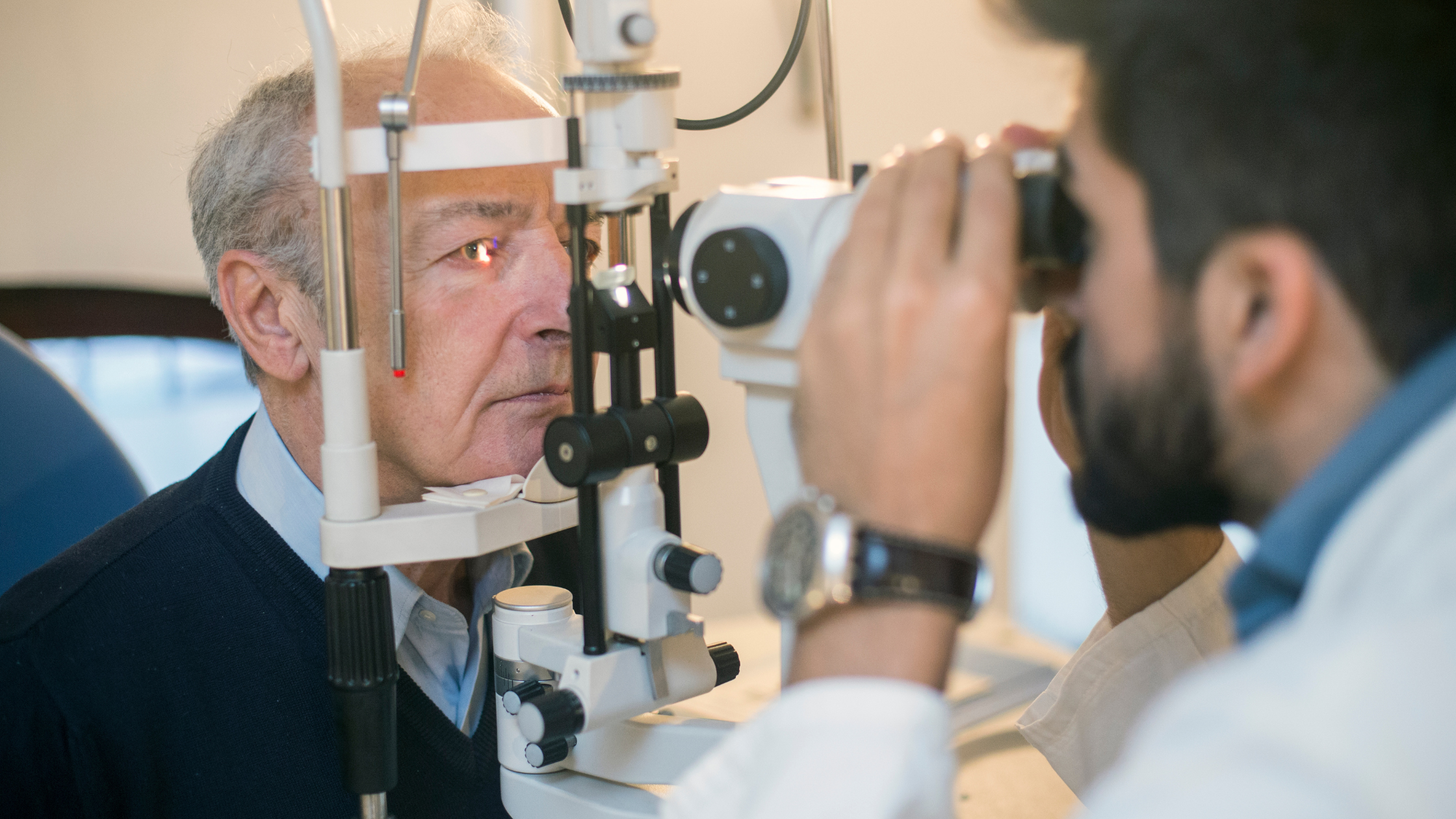
A cataract evaluation is designed to assess your eye health, vision needs, and treatment options.
During your appointment, your ophthalmologist may perform:
- Vision testing
- A comprehensive eye health examination
- Pupil dilation
- Measurements used for surgical planning
- A discussion about your lifestyle and visual goals
These evaluations help determine whether cataracts are affecting your vision and identify which lens options may be most appropriate for your needs.
Your surgeon will also review the benefits and limitations of available lens technologies and answer any questions you may have about the procedure and recovery process.
Book Your Cataract Consultation
If cataracts are making it harder to enjoy daily activities, read comfortably, or drive with confidence, a cataract evaluation can help you understand your options.
The team at DLV Vision provides comprehensive cataract evaluations and advanced treatment options for patients throughout Ventura, Camarillo, Thousand Oaks, Oxnard, Westlake Village, Encino, Simi Valley, and Newbury Park.
Frequently Asked Questions
When is the right time for cataract surgery?
Cataract surgery is typically recommended when vision changes begin interfering with activities such as reading, driving, work, hobbies, or other aspects of daily life.
Is modern cataract surgery safe?
Cataract surgery is one of the most commonly performed surgical procedures worldwide and has an established track record of safety and effectiveness when performed by a qualified ophthalmologist.
How long does cataract surgery take?
Most cataract procedures take less than 30 minutes, and patients return home the same day.
Will I still need glasses after cataract surgery?
The answer depends on the lens implant selected, your eye health, and your visual goals. Some patients continue to use glasses for certain activities, while others reduce their dependence on corrective eyewear.
What is the Light Adjustable Lens?
The Light Adjustable Lens is an advanced lens implant that can be adjusted after cataract surgery, allowing vision to be refined during the healing process for a more customized visual outcome.
Reviewed by the clinical team at Dougherty Laser Vision. Last reviewed: June 2026.
The information in this article is for educational purposes only and does not substitute for a comprehensive eye examination by a qualified eye care professional.