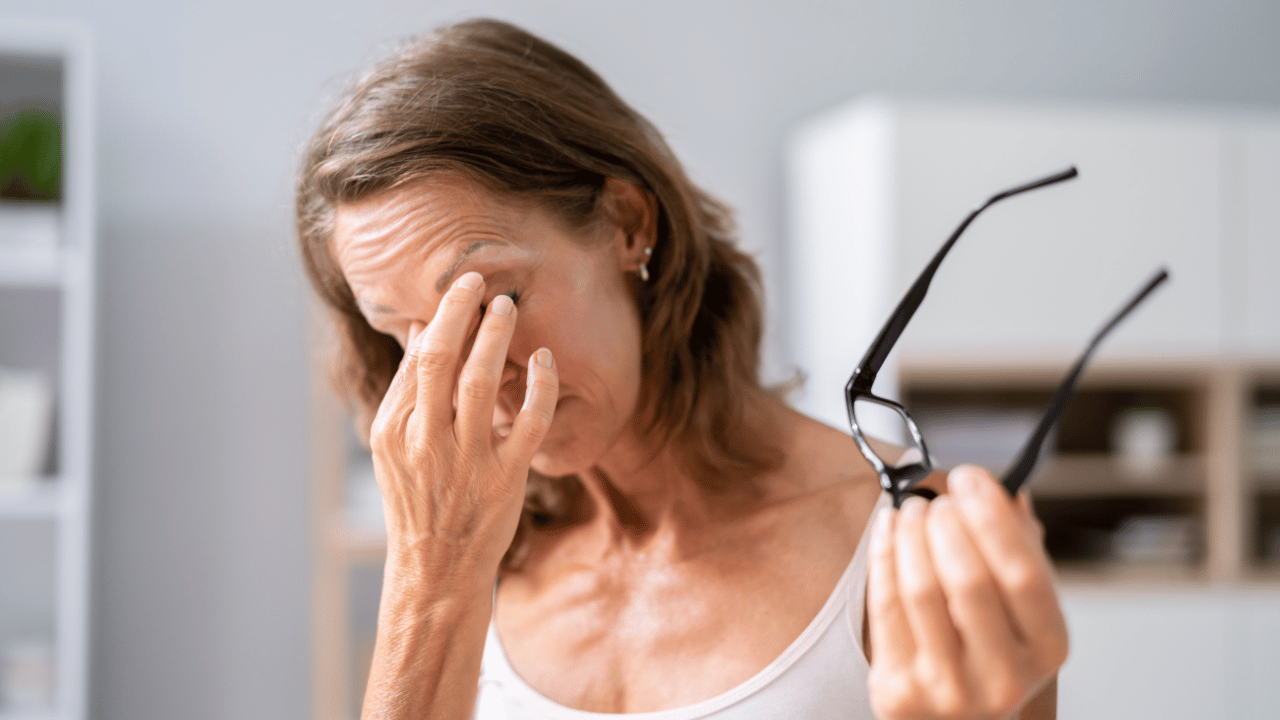
Spring brings sunshine, blooming flowers, and warmer days—but it can also bring itchy, watery, irritated eyes.
Have you noticed your eyes feeling dry, gritty, or constantly irritated during allergy season? Do they water excessively even though they feel dry? Many people assume these symptoms are just part of seasonal allergies. However, spring allergies can actually worsen dry eye syndrome, making symptoms more uncomfortable and harder to manage.
For residents of Ventura, Westlake Village, Camarillo, Simi Valley, Encino, and the Newbury Road area, the best first step toward relief is a comprehensive eye exam at DLV Vision. A thorough evaluation helps determine whether your symptoms stem from allergies, dry eye disease, or a combination of both.
In this guide, we’ll explore how spring allergies affect your eyes, why dry eye symptoms intensify during this season, and how expert care can help you protect your vision and comfort.
Why Spring Allergies Can Trigger or Worsen Dry Eye
Seasonal allergies occur when your immune system reacts to airborne allergens such as pollen. These allergens irritate the eyes and trigger inflammation.
When this happens, your tear film becomes unstable. The tear film plays a vital role in keeping the eyes lubricated and comfortable. Once it becomes disrupted, dry eye symptoms may appear or worsen.
Common spring allergens in Southern California include:
- Tree pollen
- Grass Pollen
- Dust and airborne particles
- Mold spores
Residents in Ventura County and surrounding communities like Camarillo and Simi Valley often experience increased allergy symptoms during spring due to warmer weather and seasonal winds that spread pollen.
When allergies affect the eyes, they can:
- Reduce tear quality
- Increase inflammation
- Cause excessive tearing followed by dryness
- Lead to irritation and redness
A comprehensive eye exam at DLV Vision can help determine the exact cause of these symptoms.
Signs Your Dry Eye May Be Linked to Allergies
Many people struggle to distinguish between allergy symptoms and dry eye syndrome because the symptoms overlap.
Watch for these common signs:
- Persistent itchy eyes
- Burning or stinging sensations
- Red or bloodshot eyes
- Sensitivity to light
- Excessive tearing
- Blurred vision that improves with blinking
- A gritty or sandy feeling in the eyes
If these symptoms appear during spring or worsen outdoors, allergies may be contributing to dry eye problems.
However, self-diagnosis often leads to ineffective treatment. A professional evaluation helps identify the underlying cause.
Why a Comprehensive Eye Exam Is the Best First Step
Many patients rely on over-the-counter allergy drops or artificial tears without understanding the root of their symptoms. While these products may offer temporary relief, they do not address underlying inflammation or tear film instability.
A comprehensive eye exam at DLV Vision allows eye care specialists to:
- Evaluate tear production and tear quality
- Examine the ocular surface for inflammation
- Identify blocked oil glands contributing to dry eye
- Determine whether allergies are triggering symptoms
- Develop a personalized treatment plan
This targeted approach helps ensure you receive the right treatment instead of temporary solutions.
Effective Dry Eye and Allergy Treatments
After diagnosing the root cause of your symptoms, your eye care provider may recommend several treatment options.
- Prescription Eye Drops
Anti-inflammatory drops help calm irritation and restore tear stability.
- Advanced Dry Eye Treatments
Specialized therapies can improve oil gland function and tear quality.
- Allergy Management Strategies
Reducing allergen exposure can significantly improve eye comfort.
- Artificial Tears
Preservative-free lubricating drops may help maintain moisture.
- Lifestyle Adjustments
Simple changes can reduce irritation and improve eye health.
These treatments work best when tailored to each patient’s needs.
Tips to Protect Your Eyes During Allergy Season
Residents of Camarillo, Ventura, and Simi Valley can reduce eye irritation with a few practical habits:
- Wear sunglasses outdoors to block pollen
- Wash hands frequently to avoid transferring allergens
- Keep windows closed during high pollen days
- Use an air purifier indoors
- Avoid rubbing your eyes
- Remove contact lenses if irritation occurs
- Apply cold compresses to soothe inflammation
While these tips help manage symptoms, they should complement—not replace—professional eye care.
Protect Your Eye Health This Allergy Season
Spring should be a time to enjoy the outdoors—not struggle with uncomfortable eyes.
If allergies have left your eyes dry, itchy, or irritated, a professional evaluation can help identify the cause and provide lasting relief.
Request an Appointment or Book Now – DLV Vision
Schedule a consultation: Request an Appointment or Book Now – DLV Vision