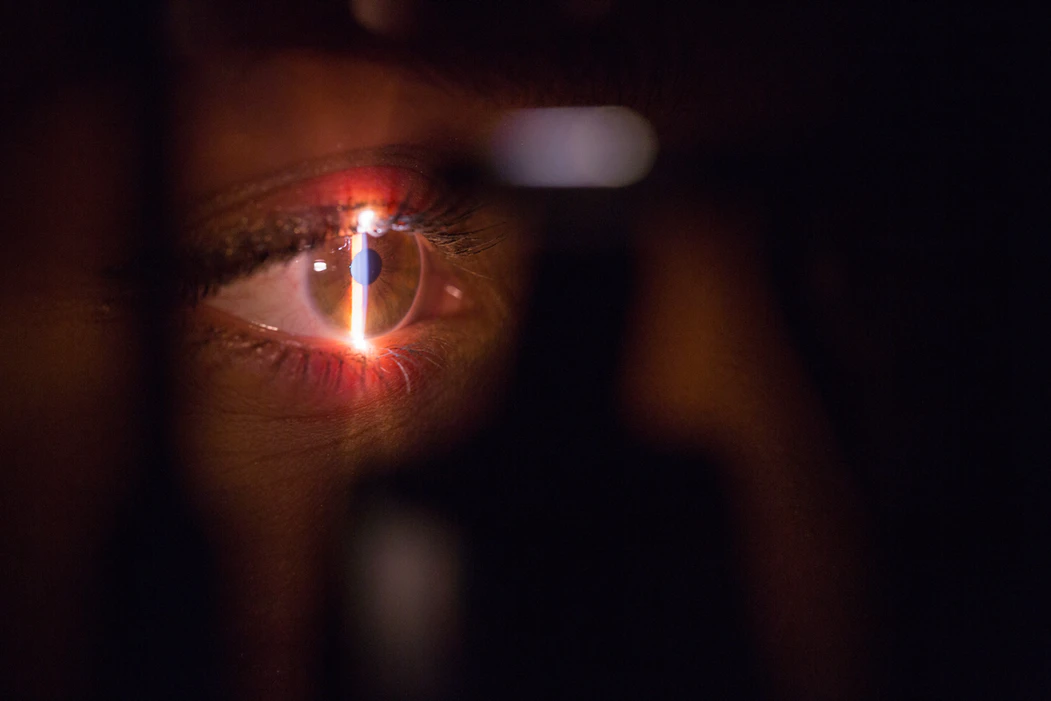
¿Es posible someterse a LASIK o PRK después de una cirugía ocular previa?
Sí, muchos pacientes pueden someterse a LASIK o PRK después de una cirugía ocular previa, pero la elegibilidad depende del tipo de cirugía, la salud de la córnea y la estabilidad general del ojo. Procedimientos como la cirugía de cataratas, la cirugía de retina o el tratamiento del glaucoma no impiden automáticamente la corrección de la visión con láser. Sin embargo, las cirugías que alteran la córnea, como la queratotomía radial (RK) o los trasplantes de córnea, requieren precauciones adicionales. El equipo clínico de Dougherty Laser Vision (DLV) en los condados de Ventura y Los Ángeles (California Central) evalúa cada caso con un mapeo corneal detallado para determinar la seguridad y la idoneidad.
- Las técnicas LASIK y PRK aún pueden ser posibles después de ciertas cirugías oculares.
- La salud y el grosor de la córnea determinan la elegibilidad.
- Algunos procedimientos previos aumentan el riesgo de complicaciones.
- Se requiere un examen ocular completo antes de cualquier recomendación.
¿Qué factores determinan si la cirugía LASIK o PRK es segura después de una intervención ocular?
LASIK y PRK remodelan la córnea, la capa frontal transparente del ojo. Si una cirugía previa alteró la forma, el grosor o la estabilidad de la córnea, la corrección de la visión con láser podría no ser apropiada. Las cirugías oculares que no afectan la córnea, como los procedimientos de retina o cataratas, suelen ser más compatibles con LASIK o PRK.
Según el Academia Estadounidense de Oftalmología, La estabilidad corneal es el factor más importante a la hora de evaluar la idoneidad de un paciente para la cirugía refractiva. Un examen ocular completo garantiza que la córnea mantenga una estructura segura para su remodelación.
¿Qué cirugías previas suelen permitir la realización de LASIK o PRK?
La cirugía de cataratas y los procedimientos de retina generalmente no impiden la realización de LASIK o PRK. Estas cirugías se centran en el interior del ojo, dejando la córnea prácticamente inalterada.
¿Qué intervenciones quirúrgicas requieren precauciones adicionales?
Procedimientos como la queratotomía radial (RK), el entrecruzamiento corneal o el trasplante de córnea afectan la resistencia corneal y pueden limitar o incluso contraindicar la LASIK. La PRK aún puede considerarse en casos seleccionados tras una evaluación exhaustiva.
¿Cómo evalúan los médicos la cirugía LASIK o PRK después de una intervención previa?
Los cirujanos oculares utilizan pruebas diagnósticas avanzadas para medir la forma, el grosor y la estabilidad de la córnea. Esto incluye topografía corneal, tomografía y evaluación de la película lagrimal. Estas pruebas revelan si el ojo puede someterse a una remodelación con láser de forma segura.
Investigación de la Instituto Nacional del Ojo Se destaca que el mapeo corneal detallado ayuda a reducir el riesgo de complicaciones postoperatorias, como el astigmatismo irregular o una mala respuesta de cicatrización.
¿Qué diferencia a las evaluaciones postoperatorias?
Los ojos que han sido sometidos a cirugías previas requieren un mapeo más detallado, ya que el tejido cicatricial, las incisiones o las alteraciones en la cicatrización pueden afectar la precisión del láser. Los cirujanos de DLV también evalúan la estabilidad a largo plazo, no solo la graduación actual.
¿Qué tipo de pruebas exclusivas utiliza DLV?
El equipo clínico de Dougherty Laser Vision (DLV) utiliza imágenes corneales de alta resolución para detectar debilidades biomecánicas sutiles. Esto ayuda a identificar a los pacientes que podrían beneficiarse de la PRK en lugar de la LASIK, o de procedimientos alternativos como la ICL EVO o el intercambio de lentes refractivas.
¿Qué opciones de tratamiento existen si la cirugía LASIK no es adecuada?
No todos los pacientes son candidatos para LASIK tras una cirugía ocular previa. Cuando la córnea es demasiado delgada o irregular, otras opciones de corrección visual ofrecen resultados más seguros. La PRK elimina la capa superficial de la córnea y la remodela sin crear un colgajo, lo que la convierte en una alternativa eficaz para algunos ojos que han sido operados.
La lente de colámero implantable EVO (ICL) coloca una lente correctora dentro del ojo sin alterar la córnea. Esta opción es ideal para pacientes con graduaciones altas o limitaciones corneales.
Para pacientes con cataratas incipientes o cambios visuales relacionados con la edad, el intercambio de lentes refractivas (RLE) reemplaza el cristalino natural por una lente artificial avanzada. DLV también ofrece tecnología de lentes fotocromáticas para lograr resultados visuales altamente personalizados.
¿Qué puedes esperar de tu evaluación en DLV?
En Dougherty Laser Vision (DLV), con clínicas en los condados de Ventura y Los Ángeles (California Central), la consulta integral incluye un examen completo de la salud ocular, mapeo corneal y pruebas de visión. El objetivo es comprender tanto el historial de cirugías oculares previas como la estructura actual del ojo.
Los pacientes reciben una recomendación personalizada basada en la seguridad, la estabilidad visual a largo plazo y sus necesidades de estilo de vida. La evaluación determina si LASIK, PRK u otro procedimiento alternativo ofrece el resultado más predecible.
DLV presta sus servicios a pacientes de Ventura, Westlake Village, Camarillo, Encino, Simi Valley, Thousand Oaks, Oxnard y Newbury Park, ofreciendo una planificación avanzada de cirugía refractiva adaptada a casos complejos.
Preguntas frecuentes
P: ¿Puedo someterme a LASIK después de una cirugía de cataratas?
P: ¿Es la PRK más segura que la LASIK después de una cirugía ocular?
P: ¿Se puede realizar LASIK después de una cirugía de retina?
P: ¿Qué factores impiden que una persona se someta a una cirugía LASIK después de una operación ocular?
P: ¿Cuál es la mejor alternativa si la cirugía LASIK no es una opción?
Programe una evaluación ocular completa en el condado de Ventura y el condado de Los Ángeles.
Si se ha sometido a una cirugía ocular previa y desea saber si LASIK o PRK son seguros para sus ojos, el equipo de Dougherty Laser Vision (DLV) ofrece evaluaciones diagnósticas detalladas en los condados de Ventura y Los Ángeles (California Central). Un examen completo determina las opciones de corrección visual más seguras para usted, según la salud de su córnea y su historial quirúrgico.