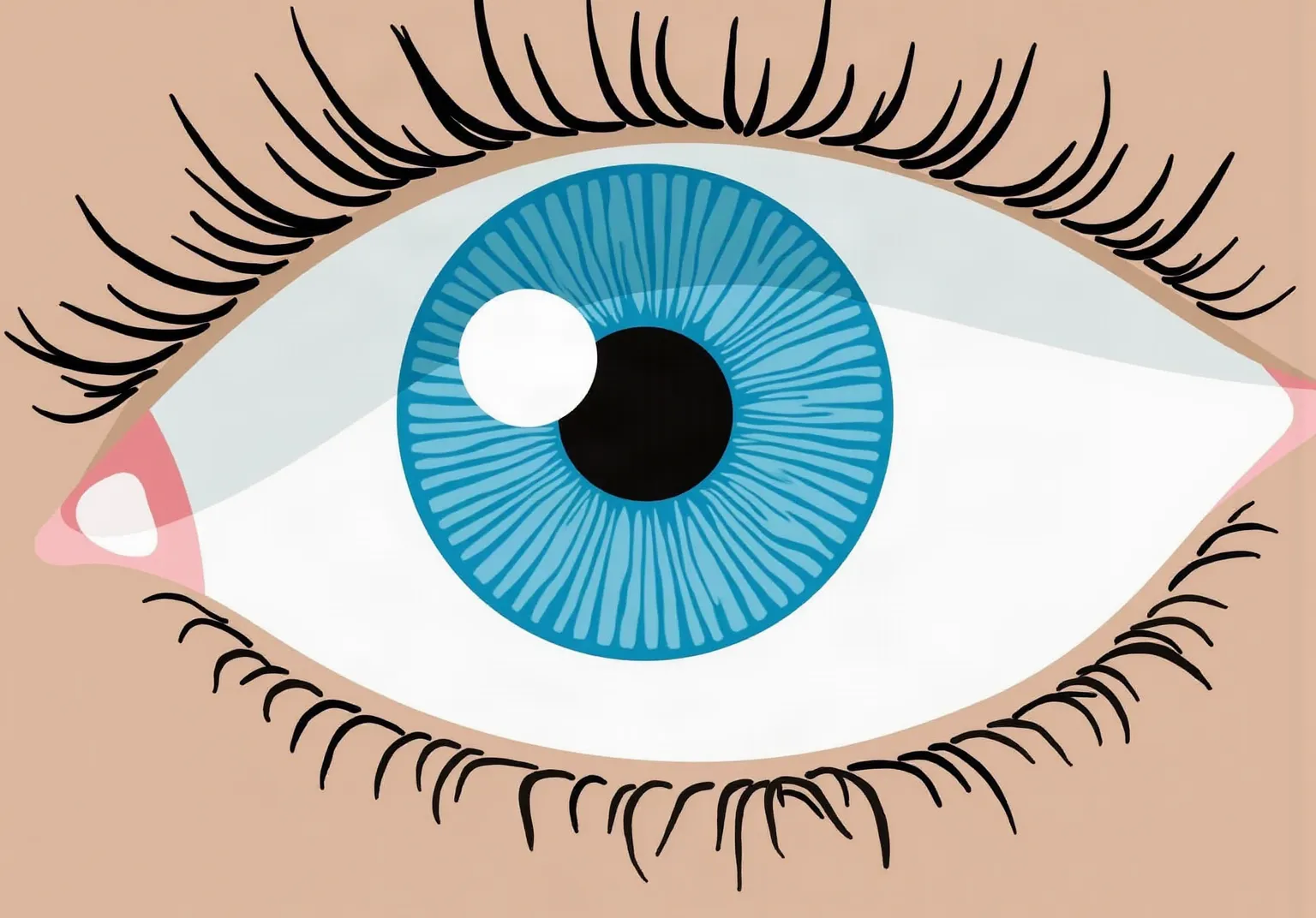
When new tearing follows eye surgery or injury
If watery eyes start at night after eye surgery or an eye injury, contact an eye-care professional; new tearing after either is a symptom to take seriously.
A useful first step is to separate what you observe from what you might guess. Note when the tearing starts, whether you noticed a particular exposure beforehand, and whether anything else feels different. Those details can help you describe the pattern, but they cannot tell you on their own what is causing it. Avoid choosing a remedy based only on the fact that your eyes water at night.
The nighttime pattern gives you a focused question: did you notice wind, smoke, or another recognizable irritant before the tearing began, or did it happen without an obvious trigger? If you cannot identify a pattern, that is still useful to report. You do not need to force an explanation before deciding whether the episodes are brief or persistent, mild or changing, and whether other signs are present.
Irritation and dry-eye symptoms can both involve watering
Wind, smoke, or allergens can irritate the eye surface and trigger reflex tearing. If you notice one of these exposures before your eyes water, it may be a clue about that episode. It does not confirm the cause, and it does not show that every nighttime episode has the same explanation.
Dry-eye symptoms can also include lots of tears. Stinging or burning, a scratchy or gritty feeling, and blurred vision—especially when reading—can accompany ojos secos. Red or irritated eyes are also described, particularly in wind or near cigarette smoke. Other symptoms listed with dry eye include strings of mucus in or around the eyes and pain when wearing contact lenses. If either applies to you, mention it with the watering as an accompanying symptom, not proof of its cause.
The overlap can seem counterintuitive: watery eyes do not by themselves rule out dry-eye symptoms. At the same time, tears or surface discomfort do not establish that dry eye is the explanation. Use accompanying sensations to describe what you experience, not to diagnose yourself or select a treatment.
A clear description stays close to what you felt. You might note, “My eyes watered and felt gritty,” or, “I noticed burning and some blur while reading.” Include redness or irritation if you experienced it, and mention whether wind or smoke was present. Keep the observation separate from a conclusion about the cause.
The time of day and the sensation can help you describe an episode, but neither one identifies its cause. For example, a gritty feeling is worth noting; it is not enough to conclude that dry eye explains the tearing. Keep your account factual, especially if the same combination happens more than once.
Use a noticeable irritant as a clue, not a cure
A recognizable exposure is a reasonable place to focus your observation because wind, smoke, or allergens can irritate the eye surface and trigger reflex tears. Look for a clear connection between something you noticed and the tearing. The goal is modest: identify an exposure that stands out, without assuming it explains every episode.
A brief note after an episode can keep the details straight. Record only what you can observe:
- When the tearing began, including whether you noticed it before or after going to bed.
- Whether wind, smoke, or a particular allergen was present beforehand.
- Any other symptoms, such as burning, grittiness, redness, discharge, or a change in vision.
- Whether the tearing was brief, continued, worsened, or affected an activity.
The note helps you compare what you observed across episodes and explain the pattern if you contact an eye-care professional. It is a record, not a test: it cannot establish a diagnosis, and you do not need to create a pattern where none is clear. One episode without an identifiable exposure is still worth describing accurately.
When you recognize a specific, practical exposure, reducing contact with it is a reasonable step to try. You can move away from smoke or avoid direct wind exposure where practical; if you recognize a particular allergen, limit that exposure when you can. Keep the change tied to what you actually noticed.
If no obvious irritant stands out, do not keep adding guesses. When you cannot identify an exposure, there may be no specific environmental change to try based on the timing alone. If the tearing persists, worsens, affects daily activities, or comes with other concerning changes, use those symptoms—not the result of informal observation—to decide whether to seek an assessment.
When you look back at your notes, compare details that you actually recorded: the timing, a possible exposure, accompanying sensations, and whether the episode continued or changed. A repeated observation may help you explain what has been happening, but it still does not prove that an exposure caused the tearing. If the notes show no consistent trigger, you can simply say that no clear trigger stood out.

Other causes cannot be distinguished by symptoms alone
Watery eyes can have causes beyond surface irritation. Tear-duct obstruction is one possibility, and infection or inflammation can be associated with obstruction. Systemic conditions, including rheumatoid arthritis, Sjögren’s syndrome, and thyroid eye disease, can also cause watery eyes.
A blocked tear duct may cause watery eyes or tears running out of the eyes, and symptoms may worsen after a cold or sinus infection. That possibility does not mean that nighttime tearing—or tearing after an illness—confirms a blockage. Describe what you have noticed rather than assigning yourself a cause. Blocked tear duct symptoms may also be more noticeable after exposure to cold, wind, or sunlight. Because wind can also irritate the eye surface and trigger reflex tearing, noticing wind around an episode cannot distinguish between these possibilities; treat it as context to share, not a diagnosis.
The hour, amount of tearing, or a single accompanying sensation cannot sort out these different explanations on its own. A symptom pattern may help you describe what is happening, but it does not establish whether an obstruction, a systemic condition, or another cause applies to you. Avoid treating an observation as a diagnosis.
Your notes can stay simple: what happened, when it happened, and what else you noticed. If you have a known systemic condition or notice a meaningful change in your symptoms, include that context when you seek care. Use it as information to share, not as a way to diagnose the tearing yourself.
Watery eyes can have many possible causes, so a comprehensive assessment may be important when symptoms continue or change. Home observation can help you describe an episode; it cannot establish which cause applies to you.
Persistent or changing symptoms warrant an eye-care assessment
Concerning watery-eye symptoms include persistent, worsening, or activity-affecting tearing. Other concerning signs include pain, redness, swelling, discharge, and blurry or fluctuating vision. You do not need to wait for all of these changes to appear before taking persistent or worsening tearing seriously. With excessive tearing, fever, tenderness, or pus can also be symptoms associated with infection; mention them when you contact an eye-care professional. For dry-eye symptoms, also contact an eye doctor if over-the-counter lubricating drops do not relieve them.
The full pattern matters more than whether your eyes water at night. Ask whether the symptom is continuing, becoming more noticeable, or interfering with something you do. Then note any accompanying change in comfort, appearance, discharge, or vision. Those details are useful to describe when you contact an eye-care professional.
A clear account of worsening symptoms uses specific observations. You might say that the tearing happens more often, lasts longer, or now comes with pain or redness; include only details that match your experience. If your vision is blurry or fluctuates, say so plainly. You do not need to name a cause to explain why the pattern concerns you.
A brief, mild episode without other changes is different from tearing that persists, worsens, affects your activities, or comes with the signs above. If your symptoms fit the latter pattern, contact an eye-care professional rather than relying on observation alone. The signs guide your next step; they do not identify the cause.
Blurry or fluctuating vision is one of the changes to mention alongside tearing. Note whether you experienced it and whether it happened with pain, redness, swelling, or discharge. Keep the description specific to your experience, and contact an eye-care professional when these concerning changes accompany watery eyes.

New tearing after eye surgery or injury needs attention
New tearing after eye surgery or an eye injury is a symptom to take seriously. If that describes you, contact an eye-care professional and explain when the tearing began and what procedure or injury came before it.
A possible irritant pattern does not replace attention to your recent eye history. Even if you also noticed wind, smoke, or another potential trigger, do not assume that exposure accounts for new tearing after surgery or injury. Describe both facts when you make contact.
Your account can include whether the tearing is continuing or changing and whether you have pain, redness, swelling, discharge, or blurry or fluctuating vision. Keep it direct: what happened, when the tearing started, and what has changed since. Do not try to determine the cause from timing alone.
An examination can check the eye surface and tear drainage
When watery eyes warrant an assessment, an eye-care professional may examine your eyelids, puncta, ocular surface, and tear-drainage system. These are different parts of the assessment; the symptom alone does not show which area, if any, is involved.
Before the conversation, bring the observations that matter to your situation: when the tearing occurs, whether you noticed a recognizable irritant, how long the pattern has continued, and whether it is getting worse or affecting daily activities. Add any pain, redness, swelling, discharge, or vision change you noticed. Include a history of eye surgery or injury if new tearing followed it.
A comprehensive assessment matters because watery eyes can have varied causes. Your notes give an account of the symptoms; they do not replace an examination of the relevant parts of the eye and tear-drainage system. You can ask what the assessment found and what next steps fit those findings. That distinction matters because irritants can trigger reflex tearing at the eye surface, while a blocked tear duct is another possible cause of watery eyes. An assessment that considers both the ocular surface and tear-drainage system can evaluate these different possibilities. Your notes about timing or exposures help describe the episode, but they cannot show which pathway is involved.
A few accurate details are enough to explain whether you had a short episode or a persistent pattern, what else you felt, and whether a possible exposure stood out. You do not need a long diary or technical terms. If you are unsure whether something was a trigger, say that rather than filling in a cause.
When nighttime tearing calls for an eye-care assessment
If tearing persists, worsens, affects your daily activities, or comes with pain, redness, swelling, discharge, or blurry or fluctuating vision, contact an eye-care professional. Do the same for new tearing after eye surgery or an injury. A qualified professional can decide what assessment is appropriate for your individual situation.
Questions about nighttime watery eyes
How can I stop watery eyes at night?
If you noticed a specific irritant, such as smoke or direct wind, reducing contact with it where practical is a reasonable step.
Can a cold or sinus infection be related to watery eyes?
Watery eyes may occur with a blocked tear duct, and symptoms from a blockage may worsen after a cold or sinus infection. That timing does not confirm a blockage; describe the pattern to an eye-care professional if the tearing persists or worsens.
What should I do if watery eyes start after eye surgery or an injury?
Contact an eye-care professional and explain when the tearing began and what surgery or injury came before it. Mention any accompanying pain, redness, swelling, discharge, or vision changes.